Omigoo


project
This dating app focuses on anonymous communication without photos, shifting attention away from appearance and toward personality and connection.
Originally part of a series of experimental social products, the app went on to attract a broad international audience and was actively used for a significant period of time.
Its core differentiator was voice-based interaction — a feature uncommon among competitors at the time. Matching was driven by shared interests gathered during onboarding, with conversation prompts and in-chat games helping users break the ice and engage more naturally.
.webp)
.webp)


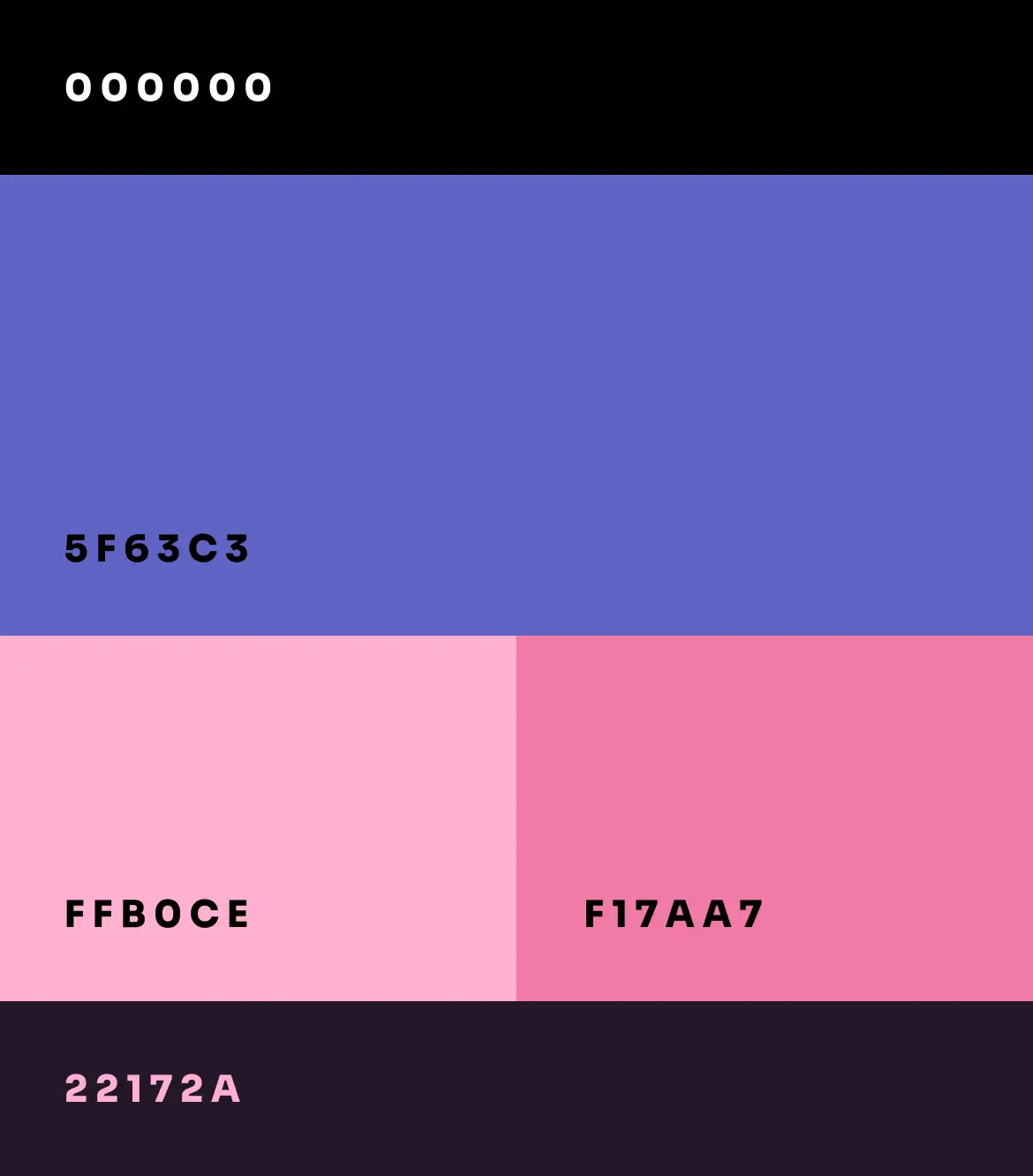
When I joined the project, the product was already live, so the goal was to refresh the interface without disrupting existing user behavior. The original color palette was preserved to maintain brand recognition, while key colors were refined and new accents were introduced to improve visual hierarchy and usability.
Most competitors in the dating app space relied on muted or predictable color schemes. In contrast, the use of bright tones and illustrative elements was a deliberate choice to visually differentiate the product. Multiple shades of pink combined with blue create a warm yet trustworthy atmosphere, helping users feel more comfortable in an anonymous environment and encouraging open communication without visual pressure.
.webp)
& Contribution
My role focused on structuring and cleaning up the existing design system, establishing consistency across the interface, and creating a scalable UI kit. I also designed custom illustrations to add character and personality to the product, significantly refreshed the visual language, and improved key user flows as part of the next MVP iteration.
.webp)
.webp)
Context & Goals
This experimental social app explored anonymous, interest-based dating without visual bias. Its key differentiator was voice-first communication, designed to build trust and create more authentic connections in a crowded market.The project focused on validating product–market fit and scalability. While it gained early traction, investors later pivoted to a new initiative, applying insights gathered during this discovery phase.
.webp)
.webp)
